
ISO 29993 Certification
Learning Services Outside Formal Education
Quick Answer
ISO 29993:2017 specifies service requirements for learning services outside formal education, corporate training providers, private language institutes, professional development courses, and similar non-degree learning services. Unlike ISO 9001 or ISO 27001, ISO 29993 doesn’t sit within the IAF’s mainstream multilateral recognition framework, so accredited third-party certification against it is offered by a smaller number of certification bodies rather than universally available through any accredited certifier. Most training providers pursuing ISO 29993 alignment do so to demonstrate structured service quality to corporate clients and learners, and the timeline typically runs three to five months.
Why ISO 29993 Matters for Training and Learning Service Providers?
Corporate clients and individual learners increasingly evaluate training providers on more than instructor reputation alone, particularly as corporate learning and development budgets face closer scrutiny and procurement teams look for structured evidence that a training investment will actually deliver. This pressure shows up differently across the sector: a corporate training company faces it through client procurement processes that increasingly request quality documentation, a private language institute faces it through competitive positioning in crowded local markets, and an online course provider faces it through learner trust signals in a market where credential inflation has made distinguishing genuine quality harder for buyers.
The honest picture: ISO 29993 is a genuinely useful service requirements framework, but the certification landscape around it is less standardized than mainstream ISO management system standards, buyers should verify a certifying body’s specific accreditation scope covers ISO 29993 rather than assuming any accredited certifier can issue a recognized certificate, since this isn’t uniformly true the way it is for ISO 9001.
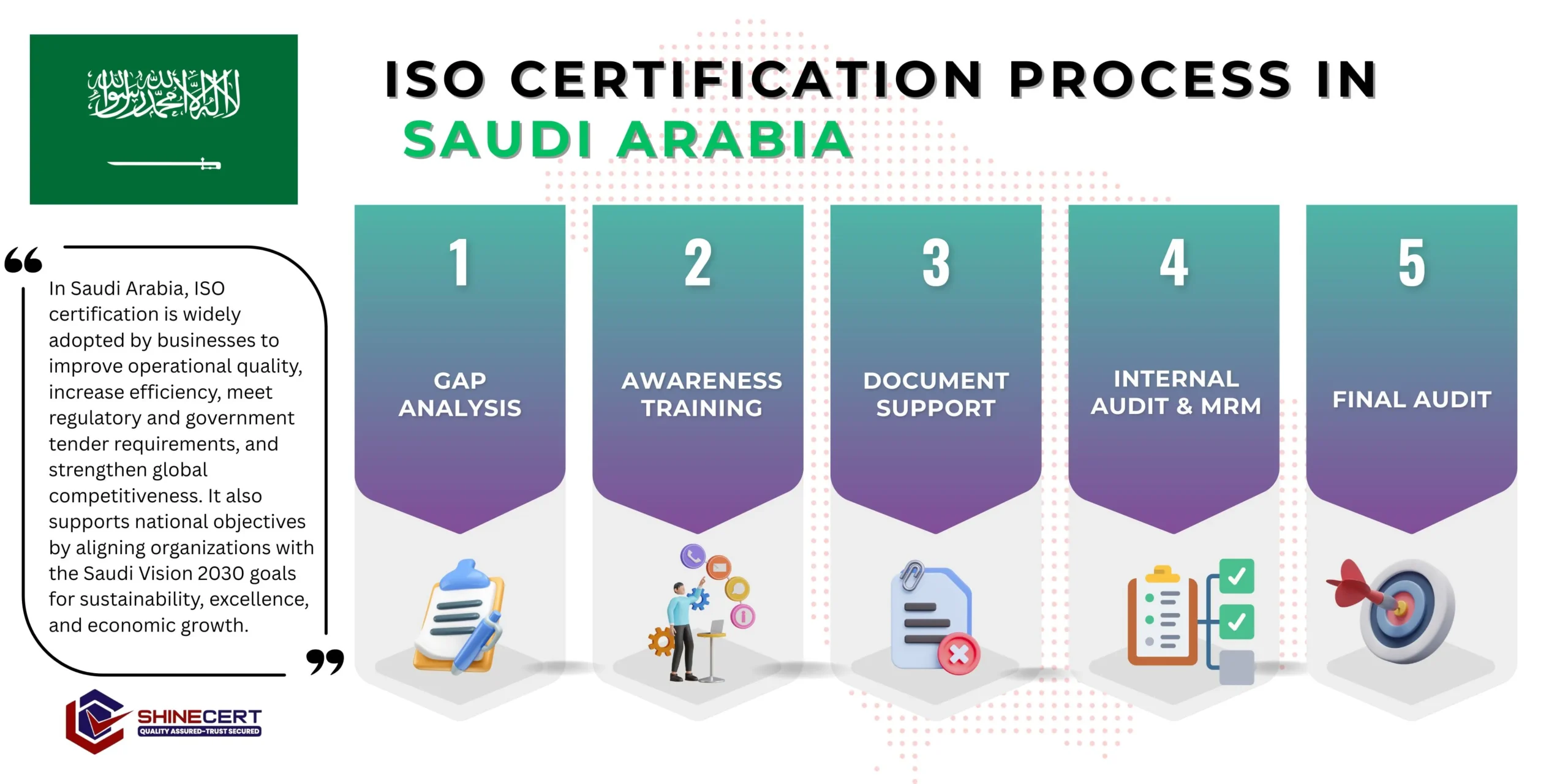
What are the steps to get ISO Certification?
our services
- ISO 9001 Certification
- ISO 14001 Certification
- ISO 27001 Certification
- ISO 22000 Certification
- ISO 45001 Certification
- ISO 13485 Certification
- ISO 20000 Certification
- ISO 17025 Certification
- CE Mark Certification
- GMP Certification
- Halal Certification
- SOC Certification
ShineCert’s 5-Step ISO 29993 Alignment Process
A training brochure promising “world-class learning outcomes” without a genuine needs analysis or structured design process behind it doesn’t survive client scrutiny for long. Here’s how we build learning services that genuinely reflect the standard’s requirements.
Gap Analysis and Learner Needs Review
ShineCert reviews current course design, delivery practices, and learner feedback mechanisms against ISO 29993's service requirements.
Gap assessment report and learner needs analysis findings.
Service Design Documentation
Pre-course information standards, learning objectives, design methodology, and trainer competence frameworks are developed.
Complete service design documentation and trainer competence framework.
Implementation and Trainer Development
Learner assessment mechanisms, feedback processes, and complaints handling procedures are rolled out, and trainers are briefed on service requirements.
Implementation evidence and trainer competence records.
Internal Review and Service Performance Evaluation
An internal review against ISO 29993 requirements is conducted, evaluating learner feedback trends and service consistency.
Internal review report and service performance findings.
Certification or Formal Alignment Verification
Where a genuinely accredited certification body offering ISO 29993 certification is available and appropriate for your target market, ShineCert supports the certification audit; otherwise, we support a documented self-declaration of conformity with third-party verification.
ISO 29993 certificate (where pursued) or documented conformity verification.
Gap Analysis and Learner Needs Review
ShineCert reviews current course design, delivery practices, and learner feedback mechanisms against ISO 29993's service requirements.
Gap assessment report and learner needs analysis findings.
Service Design Documentation
Pre-course information standards, learning objectives, design methodology, and trainer competence frameworks are developed.
Complete service design documentation and trainer competence framework.
Implementation and Trainer Development
Learner assessment mechanisms, feedback processes, and complaints handling procedures are rolled out, and trainers are briefed on service requirements.
Implementation evidence and trainer competence records.
Internal Review and Service Performance Evaluation
An internal review against ISO 29993 requirements is conducted, evaluating learner feedback trends and service consistency.
Internal review report and service performance findings.
Certification or Formal Alignment Verification
Where a genuinely accredited certification body offering ISO 29993 certification is available and appropriate for your target market, ShineCert supports the certification audit; otherwise, we support a documented self-declaration of conformity with third-party verification.
ISO 29993 certificate (where pursued) or documented conformity verification.
What Is ISO 29993?
ISO 29993:2017 specifies service requirements for the design, development, and delivery of learning services outside formal education, covering the full learner journey from pre-course information and enrollment through delivery and post-course follow-up. It applies to any organization providing non-formal learning services regardless of delivery mode, classroom, online, or blended, and focuses specifically on service quality from the learner’s perspective rather than broader organizational management system requirements.
Mandatory Documented Information for ISO 29993
At minimum: pre-course information materials, learner needs analysis documentation, course design and learning objectives, trainer competence records, learner feedback and complaints records.
Distinguishing Genuine Alignment from Marketing Claims
- Because ISO 29993’s certification landscape is smaller and less standardized than mainstream management system standards, the market has seen a proliferation of training providers marketing “ISO 29993 certified” status without a genuinely accredited body behind the claim, and buyers evaluating training vendors should apply real scrutiny here rather than accepting a certificate logo at face value.
- A credible verification claim should specify exactly which body issued it, what that body’s accreditation scope actually covers, and whether the assessment involved genuine independent review of course design, trainer competence, and learner outcome data, or merely a paid administrative registration process with minimal substantive evaluation. ShineCert helps training providers pursue whichever route is genuinely appropriate for their target market and client base, and equally helps corporate buyers evaluating training vendors understand what a given vendor’s ISO 29993 claim actually represents before treating it as a meaningful differentiator in a vendor selection decision.
The Structure of ISO 29993: Core Requirements Explained
- Pre-Course Information and Learner Needs Analysis : Requires clear, accurate information provided to prospective learners before enrollment, and assessment of learner needs and expectations.
- Learning Service Design : Requires learning objectives, content, and delivery methods to be designed around identified learner needs, not a generic one-size-fits-all curriculum.
- Facilities and Resources : Requires appropriate learning environments, materials, and technology suited to the delivery mode.
- Trainer and Facilitator Competence: Requires documented competence and ongoing development for personnel delivering learning services.
- Learner Assessment and Feedback : Requires mechanisms for assessing learner progress and gathering feedback to inform service improvement.
- Complaints and Post-Course Support : Requires accessible complaints handling and appropriate post-course follow-up or support where relevant to the service offering.
Each of these areas focuses on the learner’s actual experience and outcomes, distinguishing ISO 29993 from generic quality management standards that address organizational processes without this learner-specific lens.
ISO 29993 and ISO 21001 — How They Connect
ISO 29993 addresses non-formal learning services, corporate training, language institutes, professional development, while ISO 21001 addresses formal educational organizations operating under a defined curriculum with broader management system requirements. The two aren’t interchangeable: a corporate training provider delivering short courses fits ISO 29993’s scope, while a school or university delivering an accredited academic curriculum fits ISO 21001’s scope. Organizations operating both formal and non-formal learning offerings, a university’s continuing education division, for instance, may find value in both standards applied to their respective service lines.
Benefits of ISO 29993 Alignment
Corporate clients evaluating multiple training vendors gain a structured basis for comparing service quality beyond marketing claims.
The learner-centered design requirements often surface genuine gaps in needs analysis or course design that generic quality frameworks miss.
In markets crowded with similar training providers, demonstrable alignment with a recognized service standard provides genuine differentiation.
Structured requirements around trainer competence and course design help maintain quality consistency across multiple trainers or delivery locations.
ISO 29993 Cost: What Actually Drives It
- Company size and number of courses offered : A training provider with a large, varied course catalog faces more extensive service design documentation than a single-course specialist provider.
- Nature of the business and delivery mode complexity : Organizations delivering blended in-person and online learning face more complex facilities and resource requirements than a single-mode provider.
- Number of departments and delivery locations in scope : Certification or alignment covering multiple training centers or trainer teams as distinct units costs more than a single-location scope.
- Existing learner feedback infrastructure : Providers with established learner feedback and needs analysis processes move faster and at lower cost than those building this from scratch.
- Certification route chosen : Pursuing formal third-party certification, where a genuinely accredited body is available, adds a distinct audit cost beyond a documented self-declaration approach.
ISO 29993 Alignment Timeline
Phase | Typical Duration |
Gap analysis and learner needs review | 1–2 weeks |
Service design documentation | 3–5 weeks |
Implementation and trainer development | 3–5 weeks |
Internal review and service performance evaluation | 1–2 weeks |
Certification or formal alignment verification (if pursued) | 2–4 weeks |
Total for a typical implementation | 3–5 months |
Blended and Online Delivery: Extending the Standard’s Intent
- ISO 29993 was developed with in-person and traditional training delivery clearly in mind, but its underlying principles, learner needs analysis, appropriate resources, competent facilitation, genuine assessment and feedback, translate directly to online and blended learning delivery, even though the standard predates the scale of online course delivery seen today.
- Applying these principles to an online course requires some adaptation: “facilities and resources” becomes platform usability and technical support quality, and “trainer competence” extends to instructional design skill for asynchronous content, not just live facilitation ability. ShineCert helps online and blended learning providers apply ISO 29993’s underlying quality principles to their specific delivery format, since the standard’s genuine value lies in the quality thinking it embodies rather than in assumptions specific to any one delivery mode, and providers who engage with that underlying intent rather than treating the standard as a checklist built for classroom delivery get considerably more practical value from the exercise.
Measuring Return on Training Investment
Corporate clients purchasing training services increasingly want evidence that a course actually changed participant behavior or performance back on the job, not just that participants attended and enjoyed the session, and ISO 29993’s learner assessment and feedback requirements provide a useful starting framework for building this evidence, though most providers need to extend it further to satisfy sophisticated corporate buyers. Genuine return-on-training-investment measurement typically requires following up with participants and their managers weeks or months after a course concludes, not just collecting an immediate post-course satisfaction survey, since immediate reactions often diverge from genuine on-the-job behavior change. ShineCert helps training providers build this longer-term measurement capability into their service design, since providers who can demonstrate genuine post-course impact data differentiate themselves considerably more effectively in corporate procurement conversations than those relying on satisfaction scores and completion certificates alone.
Building a Genuine Continuous Improvement Culture Around Course Delivery
- The learner feedback and assessment data ISO 29993 requires only creates real value if a training provider has a genuine process for acting on it, and this is where many otherwise well-designed course offerings quietly stagnate, feedback forms get collected, average satisfaction scores get reported to management, but the specific, actionable insight buried in open-ended comments or recurring low-scoring topics rarely makes its way back into an actual curriculum revision.
- A mature continuous improvement process assigns clear ownership for reviewing feedback trends after every course delivery cycle, distinguishes between one-off complaints and recurring systemic issues worth genuine curriculum investment, and tracks whether changes made in response to feedback actually improved subsequent learner outcomes rather than assuming they did. ShineCert helps training providers build this discipline directly into their ISO 29993 alignment work, since a provider that can point to specific, documented instances of course improvement driven by learner feedback data has a considerably stronger, more credible story to tell corporate buyers than one that merely asserts a general commitment to quality without evidence of the underlying improvement cycle actually functioning.
Who Needs ISO 29993? Industries and Reverse Suitability
Sector | Why ISO 29993 Is Relevant |
Corporate Training & L&D Providers | Client procurement increasingly requests structured service quality documentation |
Private Language Training Institutes | Competitive positioning in markets with many similar providers |
Professional Certification & Exam Prep Providers | Learner trust depends on demonstrable, structured course delivery quality |
Online Course & E-Learning Platforms | Distinguishing genuine quality in a crowded digital learning market |
Technical & Vocational Skills Trainers | Employer clients expect measurable, job-relevant training outcomes |
Conference and Workshop-Based Training Providers | Structured service requirements support consistent delivery across repeated sessions |
The reverse question: formal degree-granting institutions operating under national education ministry accreditation fall outside ISO 29993’s scope entirely, since it specifically addresses non-formal, non-degree learning services, those institutions should instead consider ISO 21001 for formal educational organization management.
Ready to scope your ISO 29993 certification project? Book your free consultation or contact ShineCert directly.
Book Free ConsultationReady to scope your ISO 29993 certification project? Book your free consultation or contact ShineCert directly.
Book Free ConsultationWhy Choose ShineCert for ISO 29993 Alignment?
ShineCert has guided more than 10,000 organizations through international certification and standards alignment from genuine operating offices in Riyadh, Lebanon, and India, with practical experience across corporate training, language institutes, and professional development providers, and we’re upfront about what’s genuinely certifiable versus what’s best approached as documented service quality alignment.
Common Implementation Challenges
- Learners need analysis skipped in favor of a standard curriculum : Applying the same course design regardless of the specific audience’s actual needs undermines the standard’s core intent.
- Trainer competence tracked informally : Qualifications and ongoing development for instructors are often assumed rather than documented as auditable records.
- Feedback collected but not acted upon : Learner satisfaction surveys that sit unreviewed don’t satisfy the standard’s continual improvement intent.
- Overstating certification status : Given the smaller number of bodies offering genuinely accredited ISO 29993 certification, some providers overstate their conformity status, accuracy here matters both for compliance and reputational reasons.
Choosing a Certification or Verification Partner
What to Check | Why It Matters |
Explicit confirmation of accreditation scope covering ISO 29993 | Not every accredited certification body’s scope includes this standard, confirm before committing budget |
Education and training sector audit experience | Auditors familiar with learning service delivery assess course design and trainer competence more effectively |
Transparency about certification vs. documented conformity verification | A credible partner is upfront about which deliverable is actually achievable in your target market |
Recognition value with your specific client base | Confirms the credential will carry practical weight with the corporate clients or learners you’re targeting |
Start Your ISO 29993 Alignment Journey
ShineCert provides end-to-end ISO 29993 alignment and certification support, from learner needs analysis through implementation and, where appropriate, certification audit, for corporate training providers, language institutes, and professional development organizations. Book your free consultation or contact ShineCert directly, and our team will review your course offerings, delivery modes, and target outcome before proposing a fixed-scope engagement plan.
Frequently Asked Questions
It specifies service requirements for non-formal learning services. Third-party certification exists but is offered by fewer accredited bodies than mainstream standards like ISO 9001, so verifying accreditation scope matters.
No, ISO 29993 addresses non-formal learning services like corporate training, while ISO 21001 addresses formal educational organizations with a defined curriculum.
It depends on course catalog size, delivery modes, and number of locations. ShineCert provides a fixed quote after gap analysis.
Typically three to five months.
No, this is a smaller, less standardized certification landscape than ISO 9001, confirming a specific body’s accreditation scope is an important early step.
Corporate training and L&D providers, language institutes, professional certification prep providers, and online course platforms.